
Garage Door Sections - DDM Garage Doors
Most garage doors consist of sections that connect with hinges. The end hinges and fixtures have rollers to allow the door to roll up into the tracks.
History of Garage Door Section Construction
Wood was the primary source of door construction in the early decades. There were four main types.
Wood Flush Sections
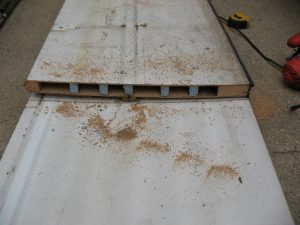
These door sections had exterior skins of hardboard or thin plywood that was glued to internal rails. The surface was uniformly flat with styrofoam strips.
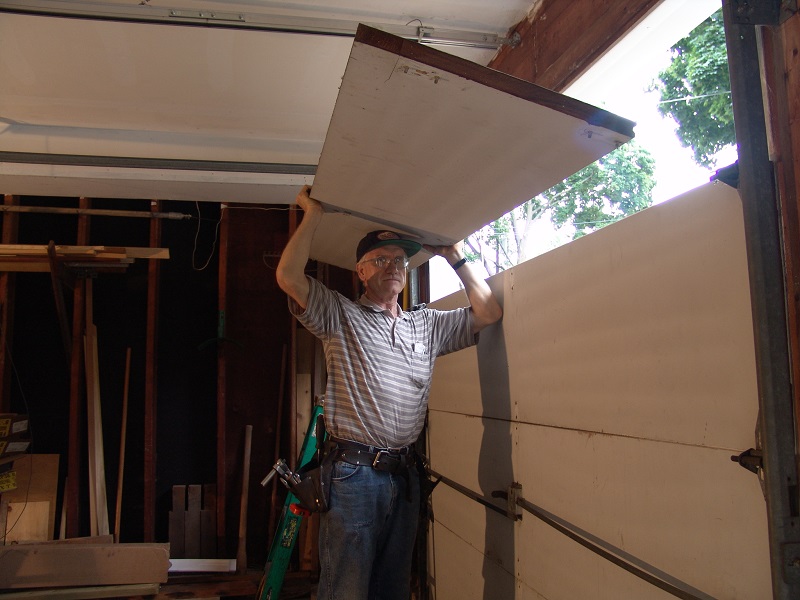
Fully insulated flush door sections were also made. However, the temperature difference between outside and inside often caused the sections to bow.
Masonite Panel Sections
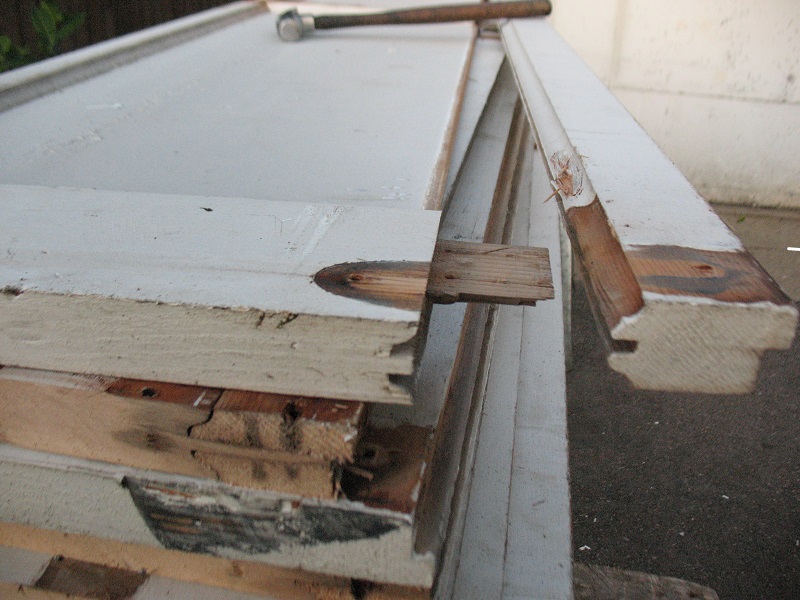
These sections consisted of horizontal rails and vertical stiles that were pinned, glued, and nailed together. Then, inside these components were grooves that held the hardboard or plywood panels.
Wood Panel Sections

A similar design to hardboard panel sections, but redwood or fir makes the door panels. As the redwood trees in California diminished, the cost of panels increased, and soon was no longer available.
Clad-wood Sections
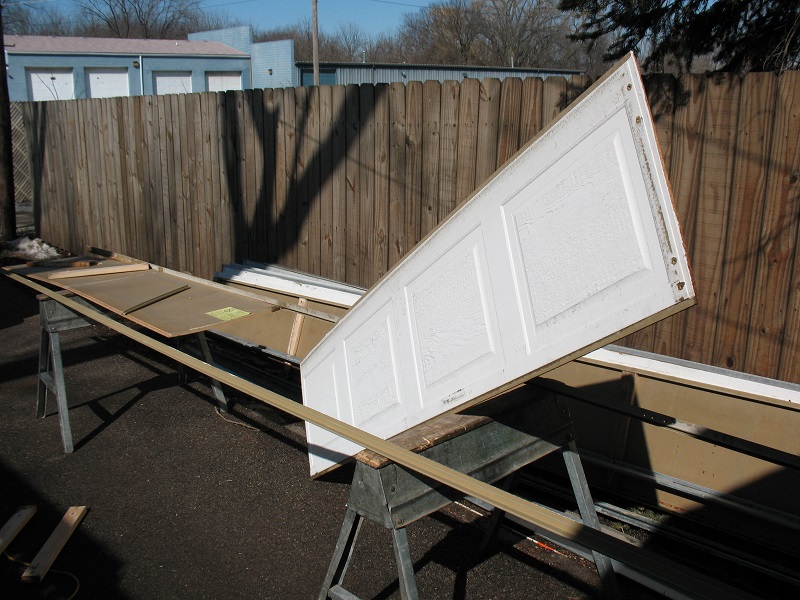
These sections were developed in the ’80s to replace the wood sections that rot and delaminate. A resilient wood chip product makes clad-wood doors that mold to imitate the raised panel design. Therefore, the material would not rot. Metal rails on the top and bottom hold these panels in place. Vertical stiles helped tie the sections together as well as providing material for installing the hinges.
Steel Sections
There are two basic types of steel sections. Pan doors made of rolled steel with the skins secured to stiles, which allow for installing hinges.
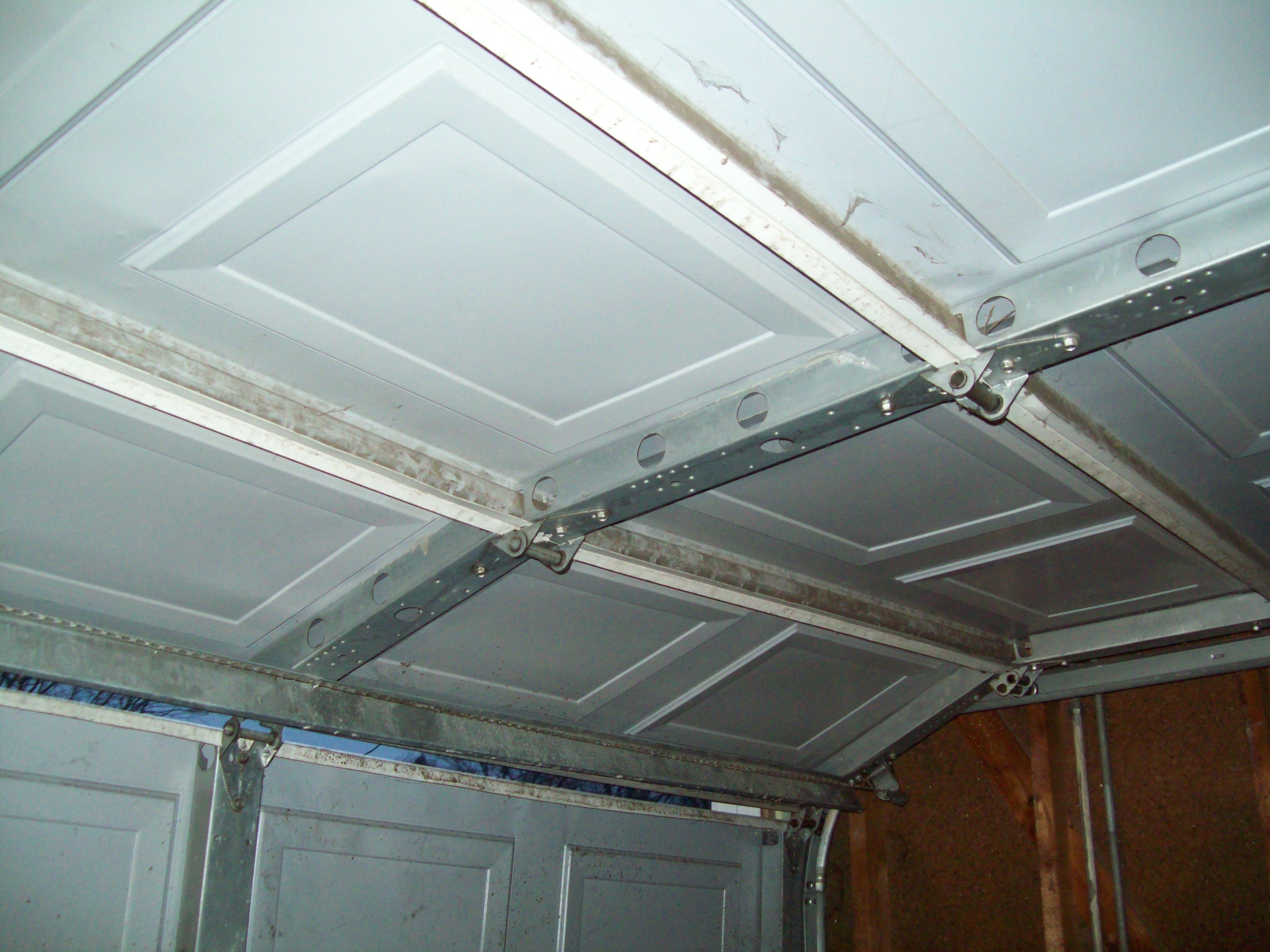
The more popular sandwich doors like the one pictured below have higher insulating R-values.
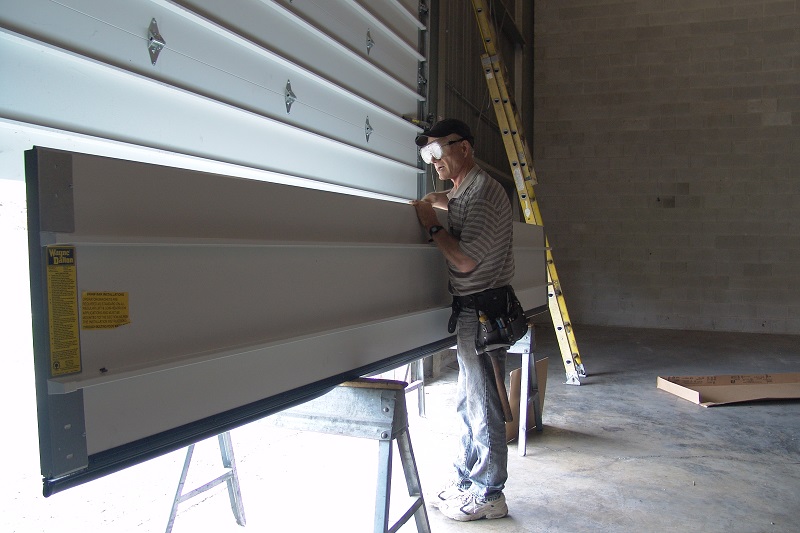
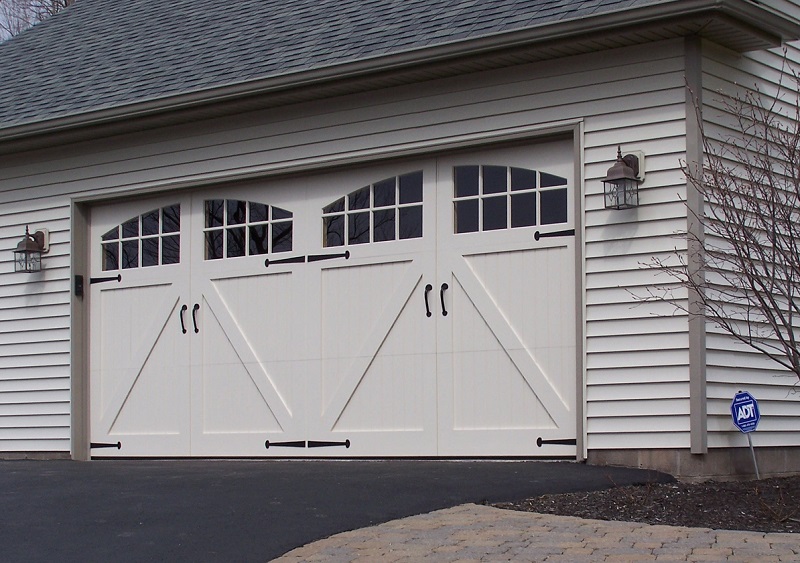
The third type of section is when you add a surface to the exterior of the door. This is the construction of the popular carriage house doors. The wood or steel sections glue or screw to the exterior surface.
How to Make Wood Replacement Sections
Manufacturers stopped making wood sections about 10 years ago. Therefore, the only option for replacing a section is to replace the entire door with a steel door.
There are, however, those experienced carpenters who are perfectly capable of making sections.
Many years ago, one of my customers was in need of sections for a type of door that was obsolete and matching the adjacent door.
Here’s how I made the door.
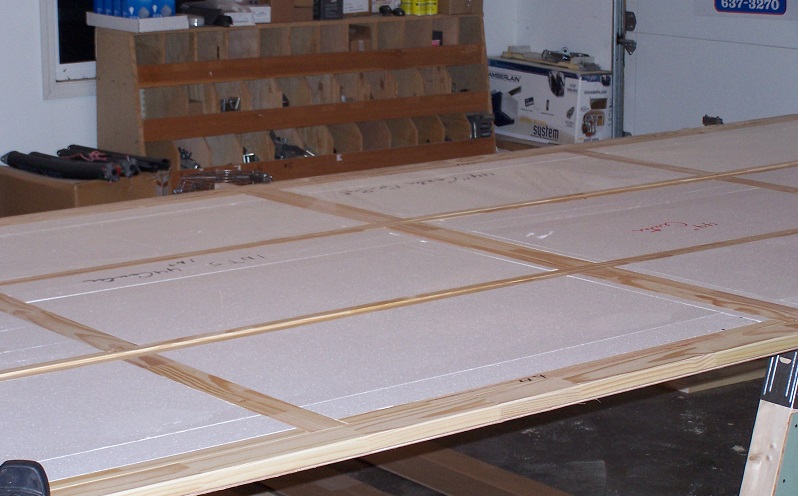
In the first place, I made an inside frame out of 1 X 3 lumber. To the frame, I glued and screwed outer skins of 1/8″ lauan plywood. Then I routed the edges for the meeting rails. Also, adding styrofoam will help with insulation, keeping the section skins smooth.
Here is a picture of a similar door that Andy Hodenius made a number of years ago.
More information is on our Garage Door Sections page. If you need to replace your sections, you can visit our blog on how to replace garage door sections.